
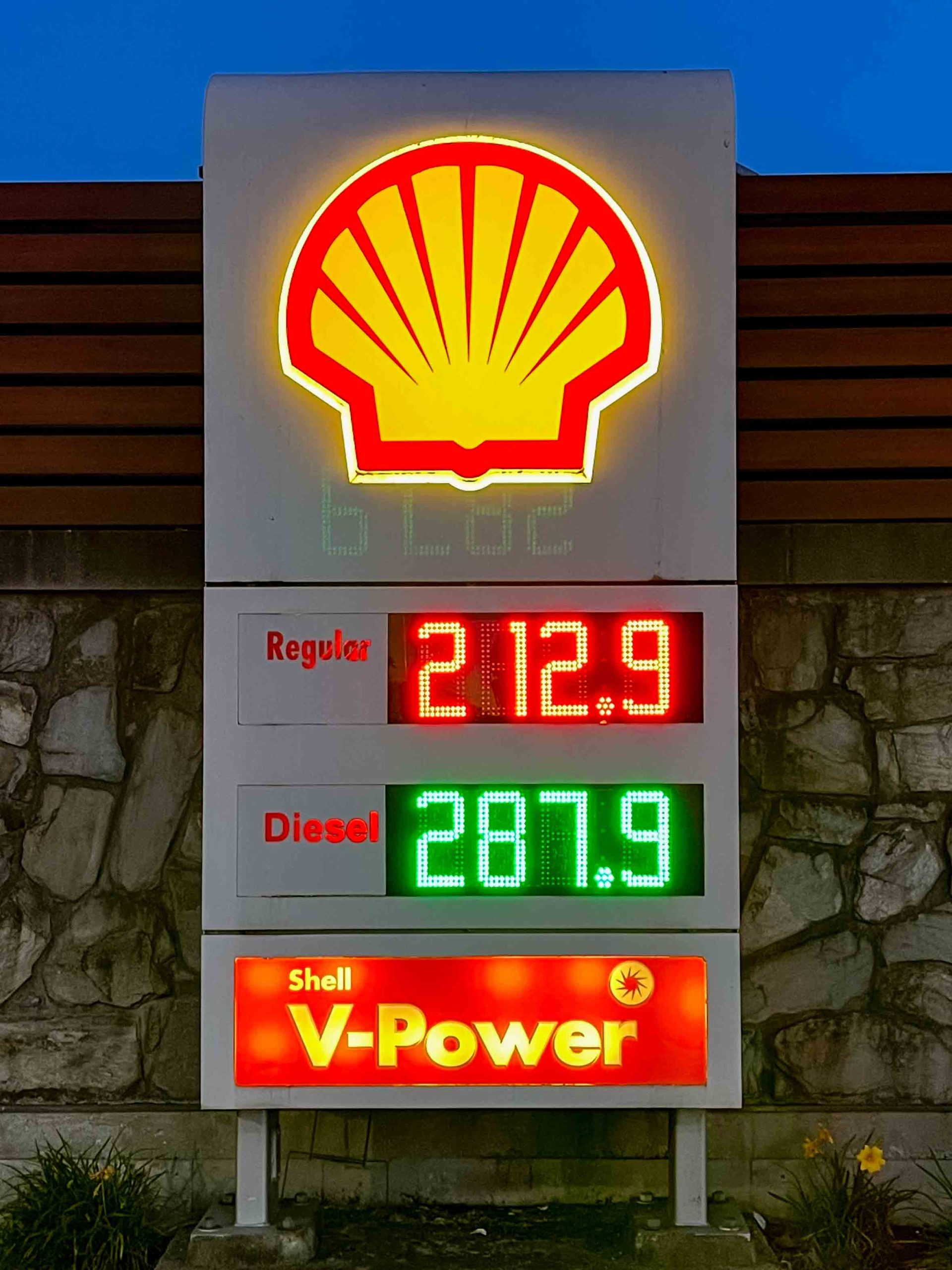
BC’s Premier wants the BC Utilities Commission to help him manage gas prices. After years of bypassing the BC Utilities Commission and compromising its independence, this cynical move is nothing but election-driven opportunism.
Introduction
In the midst of a provincial election campaign, the ruling NDP party has announced it will do something about high gas prices. In particular, it promises to “empower the BC Utilities Commission to enforce strict pricing rules and cap excess industry margins”.
Someone recently arrived from another planet might conclude from this that Premier Eby is a supporter of “empowering” the BCUC in its role as the independent regulator of BC’s energy utilities and a contributor to provincial energy policy. A glance at his record tells a very different tale.
Pre-history
The NDP took power in 2017, led by Premier John Horgan. After a decade of interference by the BC Liberals in the BCUC’s oversight of BC Hydro, he promised a return to independent regulation.
As the new NDP government undid some of the Liberal-inflicted damage with a billion-dollar bailout of BC Hydro, the then Minister of Energy said “The best way to keep BC Hydro on the right financial path, while protecting the interests of customers is to enhance BCUC’s independent oversight of the Crown corporation as we move forward.”
For the most part, Premier Horgan was as good as his word. True, he ordered the BCUC to stop asking impertinent questions and just approve BC Hydro’s transfer pricing agreement with Powerex, its energy trading subsidiary. But everyone has their limits, I suppose.
Despite this blip, the BCUC did regain the power to set BC Hydro’s rates based on its costs, and to review the utility’s long term plan.
Beginnings of gas price regulation
The Horgan government did more than just restore the BCUC’s powers over BC Hydro. It started to use the regulator to examine matters of energy policy, something envisioned in the Utilities Commission Act, but little used by the previous government. The Site C Inquiry was one such example.
And, in 2019, faced with anger over increasing fuel prices, Premier Horgan ordered the BCUC to analyze gas and diesel prices in BC. While he chose not to regulate them, his government passed the Fuel Price Transparency Act giving the BCUC the power to report on prices.
The BCUC was back to serving its true purpose – the independent examination of economic questions in energy regulation.
That didn’t last long
I think it’s fair to say that David Eby doesn’t share his predecessor’s appreciation for independent regulation.
In 2023, ten months after Eby became Premier, the BCUC chair was removed without cause more than a year before the end of his term. BC Hydro promptly filed an unprecedented four requests to reverse BCUC decisions it didn’t like, including one that would have provided incentives for managing its increasing costs. The BCUC obediently reversed all four of those previous decisions.
Then, in March 2025, the NDP decided to bypass the BCUC altogether and set BC Hydro’s electricity rates for the next two years. Without independent scrutiny, we can have no confidence that the rates will be sufficient to cover BC Hydro’s costs, the situation that led to the billion-dollar bailout in 2019.
Things came full circle when the government exempted the North Coast Transmission Line project from BCUC oversight, just as the Liberals had done with the Site C Dam project. It also ordered the BCUC to share the costs of the new line among all BC Hydro customers, even though it will serve only new industrial users.
It’s not just the independent regulation of provincially-owned BC Hydro that has been compromised. In August, the government ordered that Fortis’ gas customers underwrite the risk of a new $2.2 billion marine LNG terminal at Tilbury. The BCUC was denied the ability to determine whether the project was in the public interest, or who should pay for it.
Nor did the NDP limit its interference to the BCUC. It also bypassed the Environmental Assessment Office, which was denied the ability to review the North Coast Transmission Line and various BC Hydro wind energy projects.
No signs of improvement
Could Premier Eby’s disdain for independent regulation, amply demonstrated over the last four years, be coming to an end with his announcement that the BCUC will regulate gas prices? I don’t think so.
BC Hydro was due to file its next rates application with the BCUC by October 1, but this was delayed because of the snap election. Government agencies quite properly avoid making announcements or commitments during a campaign, but this could turn out to be rather convenient for the government. If the proposed rate increases are embarrassingly large, it could have become an election issue.
But BC Hydro’s request to the BCUC to delay the rates application did contain some curious language. Rather than simply giving a post-election date when it would apply for new rates, BC Hydro says it wanted to “consult with its shareholder [i.e. the government] and will provide the [BCUC] with further information regarding the anticipated timing for its next revenue requirements application”.
This sounds ominously like BC Hydro signalling that a re-elected NDP government would bypass the BCUC again and set electricity rates as it did for the last two years. Only time will tell.
Be careful what you wish for
If the NDP does regulate gas prices, they should be careful how they go about it.
The BCUC’s 2019 report showed that BC can only refine 30 percent of the gas used in the province and relies on imports for the rest. A Vancouver Sun article quotes two economists warning that price caps could lead to fuel shortages, if suppliers find it more profitable to serve other markets.
Surely nobody wants to replace high prices with fuel shortages. At the very least, BC should consider the example of Quebec, which includes “continuity and security of the petroleum products supply” as an objective of fuel price regulation.
Conclusion
Premier Eby’s campaign promise that he will “empower” the BCUC to regulate gas prices is pretty rich.
Over the last four years, he has taken every opportunity to bypass the BCUC (and the Environmental Assessment Office) and avoid public scrutiny of his decisions.
Now he is cynically using the BCUC for his electoral convenience, rather than truly empowering it as an institution to protect consumers and the financial health of utilities.
Even if the NDP wins the upcoming election and follows though on its promise to regulate fuel prices (and I wouldn’t bet on either outcome), it does not demonstrate that Premier Eby has become a convert to the benefits of independent regulation.
When it comes to energy governance, David Eby is definitely no John Horgan.