
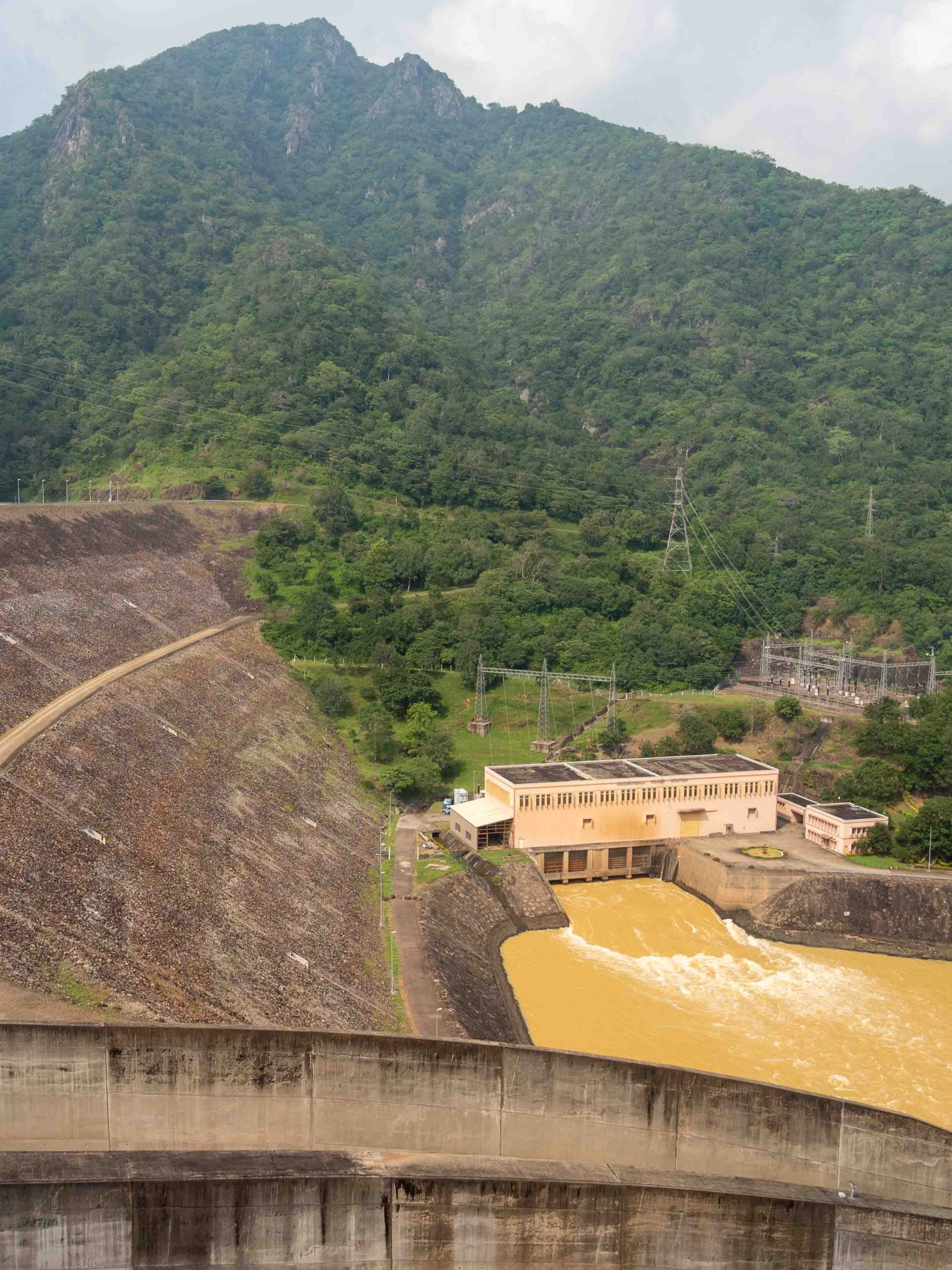
It’s one of the better options for the reliable power the province needs. The sooner we get started the better.
Introduction
In the two years since Just and Reasonable was launched, readers have kindly provided me with many insights into BC’s energy business, and more than a few juicy rumours. One recurrent theme has been the possibility of building a new hydroelectric dam in the province.
In the last six months the volume and specificity of the rumours have increased, so I was intrigued to hear that at an event in September last year, when Energy Minister Dix was asked (at 22:20 minutes) “Has the last large dam been built in BC?”, he emphatically said “No!”. He said some other things too, which I’ll come back to in a moment.
Let’s take a look at why a new hydroelectric dam in BC might make sense.
What’s the problem?
BC Hydro is forecasting shortages of electricity by 2030. I expect we’ll have no choice but to rely on imported electricity again by then. This is not great for energy independence, and not necessarily cheap either, but it’s too late to do much about that now.
Look further out, and the gap between expectations and reality only gets bigger. The latest forecast is that, to achieve net-zero greenhouse gas (GHG) emissions by 2050, BC Hydro would have to add seven more Site C dams-worth of electricity. To accommodate the proposed North Coast Transmission Line would probably take another few Site C’s, but at this point, who’s counting?
The good news is that, with a decade or more to go, there are options. Unlike the 2030 deficit, new generation could be constructed to fill those gaps, if we start soon enough.
Where will this energy come from?
Belatedly recognizing its predicament, BC Hydro has been busily adding wind (and some solar) generation since 2024. While this is unlikely to come onstream much before 2031, it could add a couple of Site C’s worth of energy, and there’s more where that came from.
The challenge is reliability. Intermittent sources such as wind and solar cannot be counted on to generate much power at times of peak demand (winter evenings). Worse, adding too much intermittent generation can destabilize an electricity system that isn’t designed for it. The 2025 blackout in Spain and Portugal is a salutary warning of what can happen.
At least part of the solution is to add reliable generation alongside the intermittent sources, to maintain diversity of supply and provide peak power when it’s needed. Today, most of this dependable power comes from hydroelectric generation, although BC Hydro also relies on a couple of gas-fired generators for peak demand or backup in case of outages.
In future, things could be different. Rather than simply assuming it would build another dam to add reliable power to its system, BC Hydro sought expressions of interest from the private sector to see what alternatives might be available. It received “106 submissions representing 19 gigawatts of potential new electricity capacity”, and options apparently include natural gas, offshore wind and geothermal generation.
Pros and cons
All these generation options have their pros and cons.
Natural gas generation is relatively quick to build and has the benefit of locally sourced fuel, which improves BC’s energy independence. But without some kind of expensive mitigation, such as carbon capture and storage, it increases carbon emissions. It may still be the best option for meeting peak demand, even if plants lie idle most of the year.
Offshore wind is more expensive and takes longer to build than the onshore variety (nine years versus as little as five), but it can produce up to double the amount of reliable power for the same installed capacity. I’m not aware of any offshore wind power in Canada today.
Geothermal may be the dark horse in this race. Technological advances are expanding its potential, for example using the same hydraulic fracturing techniques used in the BC’s natural gas industry. But, like nuclear fusion, it may always be tomorrow’s technology.
Nuclear projects were excluded from BC Hydro’s survey, which I think was a mistake. Energy from nuclear fission is a highly reliable and clean energy source that is being expanded elsewhere in Canada. Ontario announced the construction of four small modular reactors (SMR) in 2023, which it expects to be operational “by the mid-2030s”. Even if that timing is too optimistic, it could still be a solution for BC well before 2050. The conventional nuclear plant at Pickering in Ontario is also being refurbished, allowing it to run for another 30 years.
BC Hydro, guided by its owner, the provincial government, will no doubt consider all its options. I expect (ok, hope) it will recognize the value of diversity of supply, balancing cost, reliability and energy security.
And the answer is…
Obviously, hydroelectric generation is the specialty of our provincial monopoly (the clue is in the name). Other things being equal, I would expect BC Hydro to favour a new dam over other alternatives for reliable power.
Hydroelectric generation combined with reservoir storage provides capacity as well as energy; with proper water management, generation can be relied on during the peak winter months. Hydropower is a good complement to intermittent resources such as wind and solar, since the system overall can store surplus energy in reservoirs by reducing hydroelectric generation, leaving the extra water to be used later.
And sure enough, in Minister Dix’s remarks last year, he did name one specific project from the call for expressions of interest: a dam proposed by the Homalco First Nation.
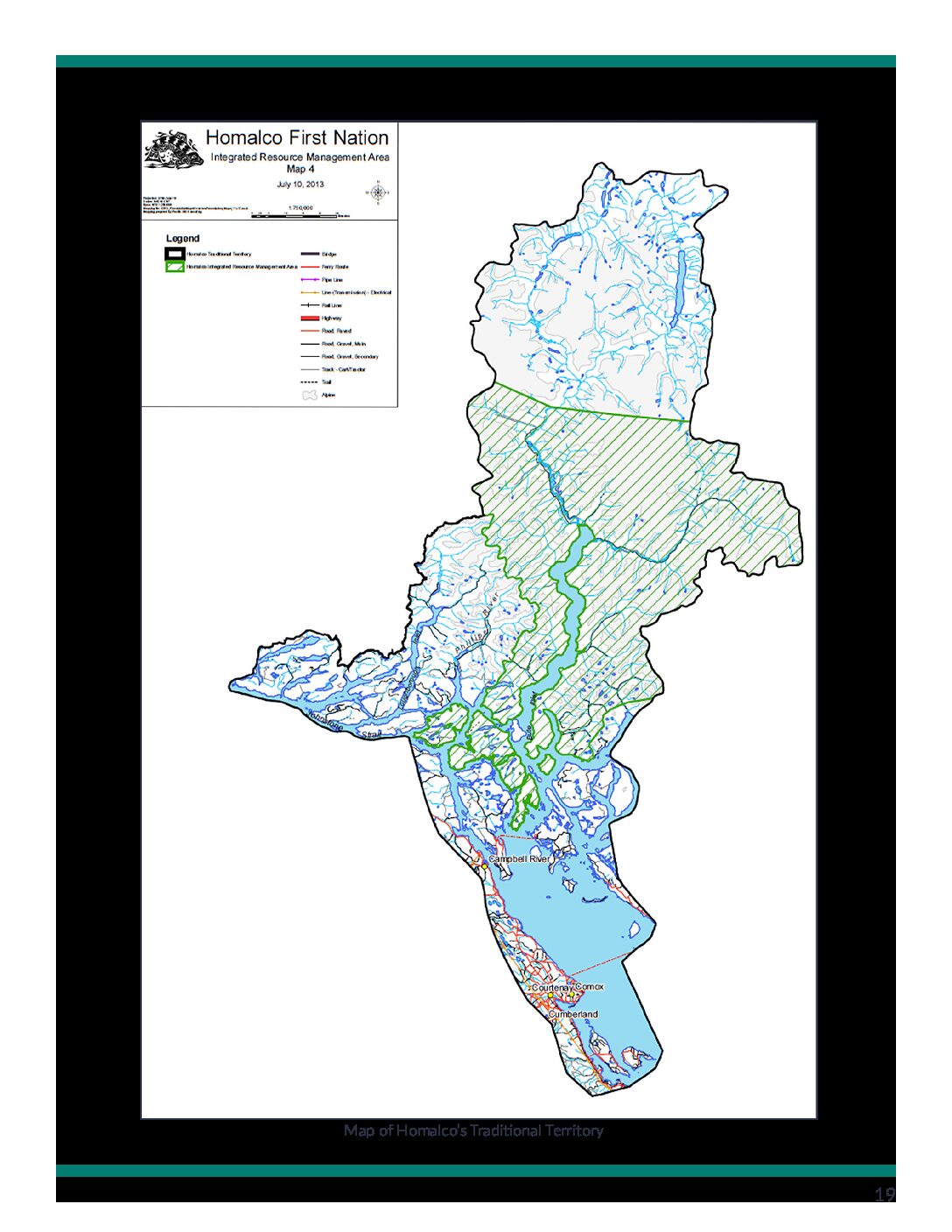
In a separate interview two months later, Glen Clark, BC Hydro’s Board Chair, also mentioned the Homalco proposal, describing it as having two dams, and being “across from Campbell River in the interior of B.C.”. That suggests it would lie somewhere along the Bute Inlet.
Mind you, Mr. Clark also brought up Site E, a dam site in northeastern BC further along the Peace River from Site C that was rejected 30 years ago (no-one seems quite sure what happened to Site D). He stated that “there are no big projects [like Site C] being planned” at present, but acknowledged the need for reliable power to decarbonize the economy, and said Site E would be “on BC Hydro’s list looking out 10, 20, 30, 40 years”.
It seems that more than one dam is under consideration in the next couple of decades, but my money is on the Homalco First Nation project being first, for several reasons.
Why the Bute Inlet proposal?
First, indigenous support. The project at Bute Inlet is proposed by the Homalco First Nation. The inlet lies in their “integrated resource management area”, which suggests that there would not be conflicting claims from other indigenous groups, as there is with some of BC Hydro’s wind projects. That could be a big advantage over Site E, which may require consultation and accommodation with multiple indigenous groups, if Site C was anything to go by.
Second, public consent. The Clean Energy Act prevented the BC Utilities Commission (BCUC) from reviewing whether Site C was necessary, or whether there were better alternatives. This lack of independent review probably contributed to widespread concerns about the project, from land loss and infringement on First Nations’ territories to the effect on the environment.
It’s likely that there would be similar scepticism about a dam at Site E, whereas a location entirely within an area managed by a First Nation, and with their consent, might prove to be less of a concern to the public at large.
Third, financial. The provincial government is mired in debt. Its credit rating has been downgraded five times in four years, and remains on a “negative outlook”. Rather than tempting fate by adding yet more billions to the debt for a new BC Hydro dam such as Site E, the government may prefer to rely on private sector funding.
It did this with the recent calls for power, avoiding additional debt by issuing 30-year contracts to buy energy from the winning bidders, who are the ones taking on debt for the projects. For the 2024 call for power alone, this amounts to almost $17 billion in “energy commitments”.
Conclusion
BC Hydro requested, and was granted, a short delay in the BCUC proceeding to review its Integrated Resource Plan, claiming there will be “material new developments” on new “resource options” (likely generation) before the middle of June.
I have no evidence they will announce a new dam project, but it wouldn’t surprise me. The timing would allow at least minimal review of whatever is proposed at the BCUC’s workshop, now rescheduled for June.
Whatever is announced probably won’t get too much scrutiny, though – private sector projects which sell electricity to BC Hydro (such as the call for power wind projects) are exempt from BCUC oversight thanks to a 2002 ministerial order.
At least it appears that a new dam project would still require an environmental assessment – last year’s legislation to “streamline” environmental reviews excluded a “hydroelectric project that includes a dam”.
All that takes time, of course, something we’re rather short of at the moment. The sooner we get started the better.
Finally, a plea to my readers – please keep the rumours coming. They’re a lot more fun than the evidence filed with the BCUC that I pore over on your behalf!