

The questions are a good start. But the BCUC should go further, and initiate a formal inquiry.
Introduction
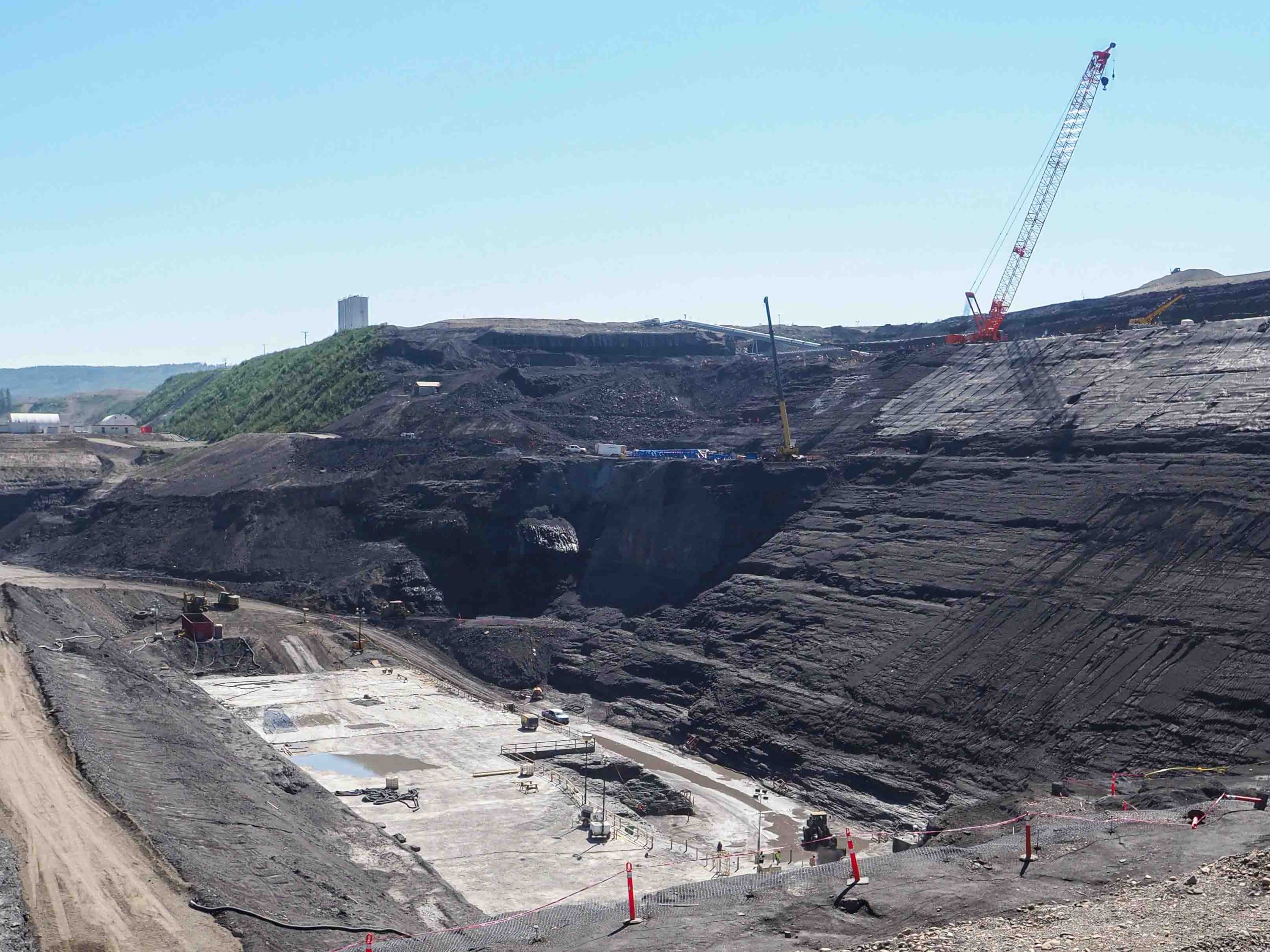
BC Hydro’s Site C dam was completed in 2025. While BC will probably be grateful for this new supply of firm energy, the project was a year late and more than $7 billion over budget.
In May last year the BC Utilities Commission (BCUC) wrote to BC Hydro to request a report on the lessons it had learned from the Site C project. The Lessons Learned Report was duly delivered on October 30. Now, the BCUC has responded with 102 questions of its own for BC Hydro.
I’ve previously argued that the BCUC should review the massive cost overrun, and consider whether to disallow any costs not prudently incurred.
Will the BCUC now proceed to a formal inquiry into what went wrong, and who should pay the cost of the overruns?
One side of the story
The Lessons Learned Report provides BC Hydro’s version of what went wrong with the eleven-year Site C Dam Project, which is currently forecast to cost $16 billion, almost double the $8.775 billion figure when it was approved in 2014.
There are explanations for the budget overruns. The Lessons Learned Report claims, for example, that the delay in diverting the river led to $610 million of the increase, and the COVID-19 pandemic appears to be responsible for $1.6 billion.
Obviously, BC Hydro was not responsible for the COVID-19 pandemic, and the fact that the project was only nine months late overall is quite an achievement. BC Hydro was also not responsible for the burst of inflation during the project, and does appear to have mitigated the effects to some extent by transferring the risk to its contractors.
Root causes
Of those things within the utility’s control, the Lessons Learned Report hints at some root causes of the budget overruns. The closest BC Hydro comes to admitting fault is when it talks about the early stages of the project. While it’s careful not to assign blame, and always talks of joint responsibility with its contractors, it’s clear that BC Hydro underestimated the complexity of the project.
While this degree of transparency is welcome, there is more to BC Hydro’s Site C problems than you’ll find in the Lessons Learned Report. The October 2020 analysis by Peter Milburn, a special advisor hired by the Ministries of Finance and Energy, is much more hard hitting.
Milburn talks about the lack of independence of the Site C Project Assurance Board. For example, half the Project Assurance Board members were also on BC Hydro’s board, which was directing the project.
The Lessons Learned Report acknowledges that BC Hydro responded to Milburn’s recommendations, reducing the number of BC Hydro board members on the Project Assurance Board and increasing the amount of time for it to discuss concerns. However, there’s no clear acknowledgement that the initial governance structure was poor and that it led to problems, or what they cost to fix.
The BCUC questions
The BCUC staff questions cover the main topic areas in the Lessons Learned Report. They are, for the most part, pointed enough that BC Hydro will need to flesh out some of the areas it skipped lightly over in the report.
The questions also, encouragingly, focus on the application of the lessons to BC Hydro’s next large capital project, the North Coast Transmission Line. This is timely – the new project will not receive any BCUC scrutiny, and its forecast cost has already doubled from $3 billion to $6 billion in a year.
This is eerily reminiscent of an earlier project, the Interior to Lower Mainland Transmission Line. In 2004 the project was originally forecast to cost $301 million, which became $602 million three years later (at least in part due to “geotechnical and environmental requirements” and higher inflation), and was finally delivered for $818 million. But I digress…
The BCUC’s questions tiptoe a bit around the sensitive area of project governance, where Milburn was much more direct. We won’t get to the bottom of these issues based on the answers to these questions alone. Also, there are no questions that directly address whether BC Hydro’s management acted prudently, which is a shame. A budget overrun of this size is quite enough justification for the BCUC to question whether BC Hydro should pick up some of the tab rather than ratepayers.
A good start
For us to have faith that BC Hydro really has learned these very expensive lessons, it can’t be allowed to mark its own homework.
The BCUC staff questions were a good start, but as I’ve said before, we need an open and transparent inquiry, with clear terms of reference and commissioners appointed to review the evidence. The inquiry should include whether BC Hydro management acted prudently, and whether ratepayers should bear the full cost of the overruns.
In order to have confidence in its impartiality, a BCUC-led inquiry should include analysis by independent technical experts (the BCUC used Deloitte in its 2017 inquiry) and allow external interveners to question BC Hydro.
Conclusion
In the two years since the new chair took over the BCUC in September 2023, the regulator has been quick to approve BC Hydro’s requests to undo its earlier decisions, despite no finding of errors. This has contributed to my scepticism about whether the BCUC is independently regulating the provincially-owned utility.
I identified what I hoped was a “turning point” in March 2025 when the BCUC rejected BC Hydro’s request to delay filing its 2025 Integrated Resource Plan, and with the staff questions on Site C we now have what appears to be the BCUC’s first serious attempt to regulate the provincially-owned utility.
Veteran political observer Vaughn Palmer, who has also been critical of the BCUC’s independence in the past, observed that the BCUC “rose to the occasion” with its staff questions on the Site C Lessons Learned report. I think that’s fair.
But as he also said, “It is one thing to pose the questions, another to keep pressing for answers from an organization that is notorious for resisting independent scrutiny of every kind.” The BCUC should take note.