

The recent budget suggests the BCUC will be sidestepped again. It’s been years since BC Hydro’s rates were set independently; the new Auditor General should take a good, hard look.
Introduction
As part of setting just and reasonable rates, the BC Utilities Commission (BCUC) usually determines how much net income a utility is allowed to collect from ratepayers. For example, it decided that for Fortis Energy Inc., BC’s largest natural gas utility, a fair return would be 9.65 percent on invested capital – sufficient for Fortis to be able to raise more capital, but no more than was necessary.
There’s nothing in the Utilities Commission Act, the BCUC’s guiding legislation, that says it should treat BC Hydro any differently when determining its allowed return. However, more than one government has decided that they don’t want the utility’s net income set by an independent regulator, and simply told the BCUC what BC Hydro would be collecting from ratepayers in net income.
In 2024, the current government ordered the BCUC to let BC Hydro collect $712 million per year in net income from ratepayers for the two years ending March 31, 2027. This was followed by a more comprehensive order cutting the BCUC out of the picture entirely, and telling it what BC Hydro’s rates would be until that same date.
These orders left open the prospect, however dim, that the BCUC might regain its rate setting powers over BC Hydro when they expire in 2027.
And then, the budget
But in the recent budget, the government has “forecast” exactly $712 million in net income from BC Hydro all the way to March 31, 2029. This strongly suggests that the BCUC won’t be able to set BC Hydro’s net income on the basis of evidence and regulatory principles for at least another couple of years.
The BCUC might have been expecting to regain its rate-setting powers starting in April 2027. If that were to be the case, it should expect to receive a rates application from BC Hydro fairly soon so it could start one of its “fair, transparent, and inclusive processes” to determine what a just and reasonable rate would be, including the amount of net income ratepayers should pay.
Based on the latest budget, however, I suspect what the BCUC will receive is an order from the government extending the limitation to its rate-setting powers over the utility until at least March 2029. This might just cover BC Hydro’s $712 million annual net income, a number the government seems very attached to, or it might continue the recently revised practice of having cabinet set the utility’s rates behind closed doors rather than by the BCUC.
Audit risk
The government has the legal right to take away the BCUC’s powers, but doing so is not without possible consequences.
If BC Hydro’s costs were understated then the provincial finances would look better, convenient for a government with a record deficit of $13.3 billion and receiving withering criticism of its financial management skills. The Auditor General, however, is responsible for ensuring that the financial results of BC Hydro, a Crown corporation, are compliant with accounting standards.
In March 2024, the previous Auditor General warned the government that net income directions to the BCUC were a “future risk area that government and BC Hydro should actively monitor to avoid losing the ability to apply rate regulated accounting”. In other words, if the government keeps preventing the BCUC from setting a proper net income, the Auditor General could rule that BC Hydro’s accounts are misstated.
This could lead to the “qualification” of the provincial accounts; a statement by the Auditor General that the numbers can’t be trusted. This only happens rarely and is a considerable embarrassment, not to say a warning sign for potential lenders to the province (we don’t need another downgrade to our credit rating, after all).
Inglorious history
This is not a purely hypothetical risk. In 2016/17 and 2017/18 the Auditor General qualified the provincial accounts because some of BC Hydro’s costs had been “deferred” inappropriately (I’ll come back to this in a moment).
It almost happened again under the current government, when BC Hydro was criticized in its third quarter 2022/23 results for overstating its net income by $265 million (the government reversed course, and the provincial accounts were not qualified that year).
That Auditor General left in November 2024, and the “future risk area” of BC Hydro’s net income does not appear to have been actively pursued by his acting replacement, despite the government continuing to prevent the BCUC setting the figure independently.
Cost deferral
The government has interfered with more than BC Hydro’s net income, though.
Regulated utilities are permitted to “defer” some costs to future years that non-regulated companies would have to report in the year they’re incurred. This reduces the utility’s total costs in the year of the deferral, and raises their net income. In the case of BC Hydro, it also reduces the provincial deficit that year.
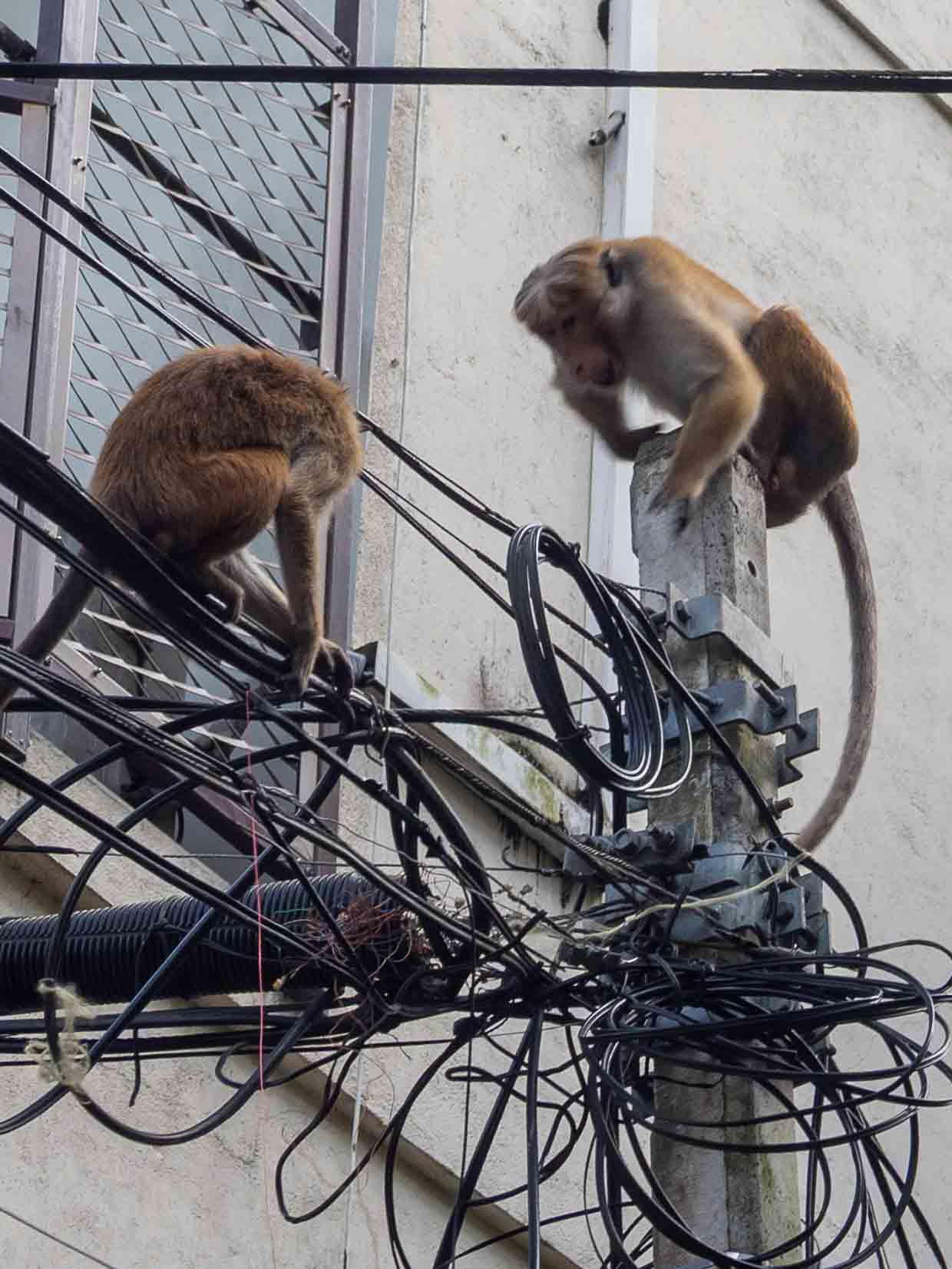
The government should not arbitrarily decide what costs BC Hydro gets to defer. To prevent any monkeying around, the utility’s accounting standards require deferred amounts to be approved by an independent regulator (i.e. the BCUC).
As I pointed out last year, BC Hydro has deferred at least a billion dollars in costs over three years as a result of government orders rather than BCUC decisions. If these amounts were deferred improperly, it would mean the government is hiding an even larger deficit than we already know about.
It’s about time
We haven’t had a permanent Auditor General since November 2024. Finally, though, in December 2025, a permanent appointee was announced, just in time to cast a critical eye over the 2025/26 public accounts, which will be published later this year.
The new Auditor General has plenty of work to build on from her predecessors, who bravely called out the governments of the day for their interference in BC Hydro’s finances. Let’s hope she has the same courage to take up the cause.